
Kodo Millet Upma- Comfort Food For The Desi In You

Simple, nourishing meals often become our everyday favourites, and Kodo Millet Upma is a perfect example of comfort meeting nutrition. Light yet satisfying, this wholesome dish replaces traditional semolina with nutrient-rich millet, creating a soft and fluffy texture that absorbs flavours beautifully.
Cooked with aromatic tempering, fresh vegetables, and a touch of lemony freshness, this upma feels both homely and refreshing. Whether enjoyed as a warm breakfast, packed into a lunchbox, or served as a light dinner, it delivers taste, balance, and nourishment in every bite.
About Millets
Millets have long been a staple grain in traditional Indian cooking, valued for their resilience and health benefits. Naturally gluten-free and easy to digest, they provide sustained energy without heaviness. With growing awareness around mindful eating and sustainable farming, millets are once again finding their place in modern kitchens.
Benefits of Kodo Millet
Kodo millet is rich in fibre and essential nutrients that support digestion and overall wellness. It helps maintain steady energy levels and keeps you feeling full for longer, making it an excellent choice for balanced meals. Its mild flavour allows it to blend easily with spices, vegetables, and tempering, making dishes like upma both healthy and delicious.
About This Recipe
This recipe uses an 8-hour soaked millet method, which helps soften the grains and improves digestion while giving the upma a fluffy texture. The classic desi “chonk” or tempering of cumin, mustard seeds, dals, and curry leaves adds deep aroma and crunch. Combined with fresh vegetables and finished with lemon juice and coriander, the result is a flavorful, comforting meal that comes together quickly once prep is done.
Serves: 2–3
Prep Time: 8 hours soaking + 10 minutes
Cooking Time: 20 minutes
Ingredients
Main
- Bloom Organic Kodo millet (whole) – 1 cup (Shop Now)
-
Water – 2½ cups
-
Ghee – 1½ tbsp
For Chonk / Tempering
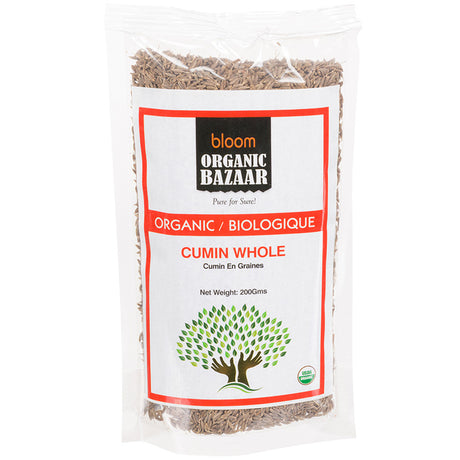
- Bloom Organic Cumin seeds (jeera) – 1 tsp (Shop Now)
- Bloom Organic Mustard seeds – 1 tsp (Shop Now)
- Bloom Organic Urad dal Mogar– 1 tbsp (Shop Now)
- Bloom Organic Arhar dal (toor dal) – 1 tbsp (Shop Now)
- Curry leaves – 8–10
Veggies
Carrot – ½ cup, finely choppe
French beans – ¼ cup, finely chopped
Spices & Finish
Turmeric – ¼ tsp (Shop Now)
Lunn Salt – to taste (Shop Now)
Lemon juice – 1–2 tsp
Fresh coriander – for garnish
Method
Soak the Millet
Step 1 - Wash the Kodo millet thoroughly under running water 2–3 times to remove impurities. Soak it in plenty of water for at least 8 hours or overnight. Drain completely before cooking.
Soaking is important because it softens the grains, reduces cooking time, improves digestion, and helps the upma cook evenly without becoming hard or grainy.
Step 2 - After draining the soaked millet, dry roast it in a pan for 2–3 minutes on low heat until lightly aromatic. This step is optional but highly recommended as it enhances the nutty flavour and helps maintain a fluffy texture during cooking. Set it aside.
Make the Chonk (Tempering)
Step 3 - Heat ghee in a heavy-bottomed pan or kadai. Add cumin seeds and mustard seeds. Allow them to crackle and release their aroma. Add urad dal and arhar dal.
Step 4 - Sauté gently until they turn golden brown and slightly crunchy. This adds a wonderful texture contrast to the soft millet. Add curry leaves and sauté for about 20–30 seconds until fragrant. The kitchen will instantly fill with that classic, comforting South Indian aroma.
Step 5 - Add finely chopped carrots and French beans. Sauté for about 2–3 minutes until they begin to soften slightly while still retaining some crunch.
Step 6 - Add turmeric and salt, mixing well so the vegetables absorb the seasoning evenly. You can also add peas or capsicum if you enjoy more variety in texture and colour.
Step 7 - Add the soaked, drained millet to the pan and mix well with the tempering and vegetables. Pour in 2½ cups of water and bring everything to a gentle boil. Once boiling, reduce the heat to low and cover the pan.
Step 8 - Cook for 12–15 minutes until the millet becomes soft, fluffy, and fully cooked. Stir once or twice during cooking to prevent sticking and ensure even texture. The grains should absorb the water completely while remaining separate and light.
Step 9 - Turn off the heat once the millet is cooked. Add fresh lemon juice and chopped coriander leaves. Fluff gently using a fork or spoon without mashing the grains.
Step 10 - Cover and let the upma rest for 3–4 minutes. This resting time allows flavours to settle and improves texture.
Serving Suggestions
Serve hot with:
- Coconut chutney for a traditional pairing
- Lemon pickle for a tangy kick
- A bowl of yogurt for added freshness
It works beautifully as:
- A nourishing breakfast
- A healthy meal for lunch
-
A light yet filling dinner
Tips & Variations
- Vegan Option: Replace ghee with coconut oil or sesame oil for a plant-based version.
- Extra Protein: Add roasted peanuts or soaked moong dal for additional texture and nutrition.
- Spice Boost: Add green chillies or ginger while tempering for extra warmth and flavour.
- Texture Tip: If the upma feels dry after reheating, sprinkle a little warm water and steam for 2–3 minutes.
-
Vegetable Swap: Use seasonal vegetables like peas, corn, or capsicum for variation.
Simple Meal, Big Comfort
Kodo Millet Upma proves that everyday food can be both nourishing and deeply satisfying. The slow soaking process, aromatic desi chonk, and fresh vegetables create a balanced dish that feels comforting without being heavy. Perfect for busy mornings or relaxed family meals, it celebrates traditional cooking while supporting modern healthy eating habits, one warm spoon at a time.