

By: Sunil Kalra
When you are walking down the grocery store aisle, human nature naturally draws your eye to the shiniest, most perfect-looking products. The conventional food industry knows this, and they use it to their advantage—especially when it comes to lentils and dal.
If you look closely at conventional, mass-produced dal, it often has a glossy, almost unnatural shine. But true, freshly harvested lentils are not naturally shiny. They have a matte, slightly dusty appearance.
So, where does the shine come from?
It comes from a commercial process called "polishing." Massive agricultural brands polish their lentils to extend shelf life, hide the fact that the stock might be very old, and make it look visually appealing. This is done by rubbing the lentils with water, cheap oils, leather, or sometimes even artificial food coloring.
The Hidden Cost of Polishing
That artificial shine costs you nutrition. The polishing process forcefully strips away the natural outer husk of the lentil. This outer layer is exactly where the majority of the dietary fiber and essential proteins live. By the time that shiny dal reaches your pot, it has been stripped of its nutritional powerhouse.
The Bloom Organic Standard: 100% Unpolished
At Bloom Organic Bazaar, we never sacrifice your health for "shelf appeal."
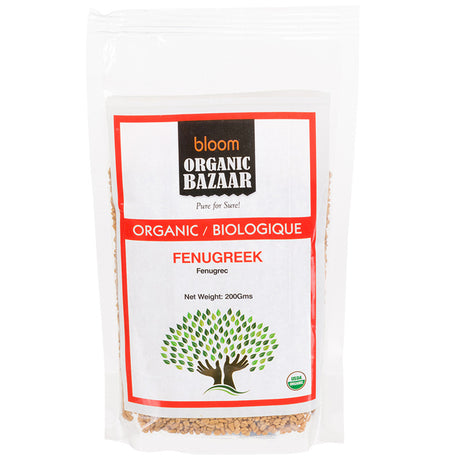
We proudly source our lentils directly from traditional organic farmers in India. Every single batch of our dal is 100% unpolished. We leave the lentils exactly as nature intended—matte, nutrient-dense, and packed with the dietary fiber your gut needs to thrive. Because our dals are unpolished and free from chemical desiccants, they cook beautifully, retain a much richer, authentic flavor, and are significantly easier to digest.
This May, as we celebrate the "Month of Lentils," take a look in your pantry. If your dal is shining back at you, it might be time for an upgrade.