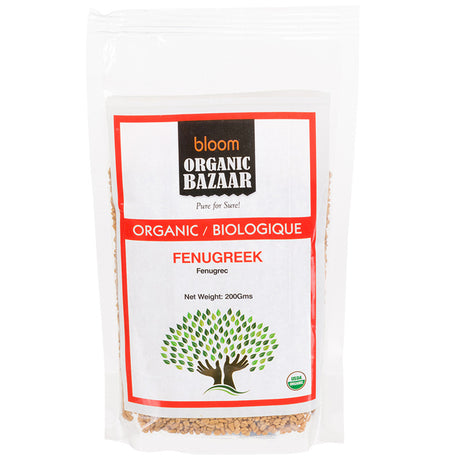


If you grew up in a traditional Indian household, you are probably very familiar with the sight of a damp cloth sitting on the kitchen counter, carefully wrapped around soaked moong dal or kala chana. Sprouting legumes to make ankurit dal is an ancient culinary practice, long celebrated for turning humble beans into crunchy, nutrient-dense powerhouses.
But over the last few years, many of our customers have shared a similar frustration: “When I try to sprout lentils from the regular grocery store, they don’t sprout. They just get slimy and rot. What am I doing wrong?”
The answer is simple: you aren't doing anything wrong. The problem is the lentils.
The Problem: "Dead" Conventional Food
A lentil is naturally a seed. In the right conditions, it is supposed to wake up, sprout, and grow into a plant. But to do that, the seed must be alive.
To maximize profits and ensure products can sit in massive storage silos or on grocery store shelves for years without spoiling, the conventional food industry employs extreme preservation methods.
- Irradiation: Many imported conventional foods are irradiated—exposed to ionizing radiation—to kill off any potential pests or bacteria and prevent premature sprouting in transit.
- Chemical Desiccation: As we've discussed throughout this month, harsh chemical drying agents sprayed before harvest can severely damage the integrity of the seed.
- Extreme Age: Conventional legumes can be several years old by the time they reach your plate.
These processes effectively kill the seed. When you try to soak and sprout a dead seed, it cannot grow. It simply absorbs water, breaks down, and begins to rot.

The Magic of Living Food
When you buy from Bloom Organic Bazaar, you are buying food the way nature intended: alive.
Because our farmers in India rely on natural sun-drying, organic farming practices, and chemical-free storage, the life force inside our whole dals remains completely intact. They are simply dormant, waiting for water.
When you sprout living, organic lentils, something incredible happens scientifically:
- Anti-Nutrients are Neutralized: Phytic acid, a natural compound that binds to minerals and makes them hard to absorb, is broken down.
- Enzymes Multiply: The sprouting process produces massive amounts of active enzymes, making the dal incredibly easy for your gut to digest.
- Vitamin Explosion: The vitamin C and B-vitamin content of a sprouted lentil skyrockets compared to its unsprouted form.
Take the Bloom Sprout Challenge
We challenge you to put your pantry to the test this week. Take a handful of our Organic Whole Moong or Organic Kala Chana, soak it overnight, drain the water, and wrap it in a damp cloth.
Within 24 to 48 hours, you will see a vibrant, thriving harvest of fresh sprouts. That is the undeniable proof of purity, freshness, and organic integrity.
You deserve to feed your family food that is full of life.