
In recent years, millets have moved from traditional kitchens back into everyday meals — and for good reason. Once considered a humble staple across rural India, these resilient grains are now celebrated for their nutrition, sustainability, and versatility. From comforting breakfasts to nourishing desserts, millets are helping people rediscover slow, mindful eating rooted in tradition.
If you’re curious about millets, how to cook them, or why everyone is talking about them again, this FAQ-style guide answers the most common questions while helping you explore simple ways to include them in your daily meals.

What Are Millets?
Millets are small-seeded grains that have been cultivated in India for thousands of years. Known for their ability to grow in dry climates with minimal water, they have long supported farmers and communities across the country.
Unlike refined grains, millets are whole grains packed with fibre, minerals, and plant-based nutrients. They are naturally gluten-free and easy to digest, making them suitable for a wide range of dietary preferences.
Popular millets include foxtail millet, kodo millet, little millet, barnyard millet, pearl millet (bajra), and finger millet (ragi). Each variety has its own texture and flavour profile, allowing them to be used in both traditional and modern recipes.
Nutritional Value of Millets (Per 100g Approx)
- High fibre (8–12g)
- Rich in magnesium
- Iron content (varies by type)
- Low glycemic index
- Plant-based protein
Are millets good for weight loss?
Millets are rich in fibre and help you stay full longer, reducing overeating. Because of their lower glycemic index, millets release energy slowly.
What Can You Make With Millets?
One of the biggest advantages of millets is their versatility. They easily adapt to both sweet and savoury dishes, replacing rice, semolina, or wheat in many recipes.
You can prepare:
- Comforting breakfast dishes like upma or porridge
- Wholesome lunch options such as pulao or khichdi
- Traditional desserts like kheer and laddoos
- Millet rotis or dosa batter
- Healthy snacks and baked goods
Millets absorb flavours beautifully, especially when cooked with spices, vegetables, or jaggery-based sweetness. Whether you want a quick weekday meal or festive comfort food, millets fit seamlessly into everyday cooking.

Are Millets Good for Health?
Yes, millets are widely appreciated for their nutritional balance and digestive comfort. They are:
- Naturally gluten-free
- High in dietary fibre
- Rich in essential minerals like iron and magnesium
- Slow-digesting carbohydrates that support steady energy levels
Because they release energy gradually, millets help avoid sudden spikes in hunger or fatigue. Many people find millet-based meals lighter yet more satisfying compared to refined grains.
Their fibre content also supports gut health, while their nutrient density makes them a great addition to balanced eating habits.
Why Are Millets Making a Return?
Millets are not a new food trend; they are a return to traditional wisdom.
Several reasons explain their growing popularity:
1. Health Awareness
People today are increasingly choosing whole foods over processed options. Millets offer nourishment without heaviness.
2. Sustainable Farming
Millets require less water and fewer chemical inputs compared to many modern crops, making them environmentally friendly.
3. Lifestyle Balance
Busy lifestyles demand meals that provide lasting energy. Millet dishes keep you fuller for longer while remaining easy to digest.
4. Revival of Traditional Cooking
Home cooks and chefs alike are rediscovering regional recipes that once relied heavily on millets.

Millet Benefits
Millets offer multiple everyday wellness benefits when included regularly in meals.
- Supports Digestion - Their natural fibre content helps maintain digestive comfort and promotes better gut health.
- Provides Sustained Energy - Millets release energy slowly, helping you stay active without feeling heavy after meals.
- Naturally Gluten-Free - An excellent alternative for those avoiding wheat or looking for lighter grain options.
- Helps Maintain Balance - Millets are filling yet light, making them suitable for balanced meal planning.
- Versatile Cooking Ingredient - From breakfast bowls to festive desserts, millets work across cuisines and cooking styles.
Types of Organic Millets Available at Bloom Organic Bazaar
Available across Canada
| Foxtail Millet Whole | Kangni | Foxtail Millet Kheer brings together ancient grains and natural goodness in every spoon. From festive celebrations to wholesome breakfast bowls, this recipe celebrates tradition and mindful living. |
| Kodo Millet Whole | Kodo | Kodo Millet Upma is a wholesome take on a beloved comfort classic, combining nutrient-rich millets with aromatic tempering and fresh vegetables. Using an 8-hour soaked millet method, this recipe creates a soft texture that is easy to digest and deeply satisfying. Perfect for nourishing breakfasts or light dinners, it brings together traditional flavours and mindful eating in one comforting bowl. |
| Barnyard Millet Whole | Sanva | Light and fluffy when cooked, it is ideal for savoury dishes such as upma or pulao. |
|
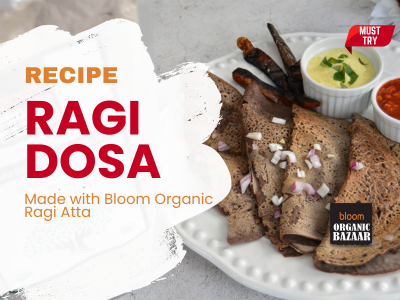
Finger Millet Whole | Ragi Finger Millet Flour | Ragi Atta |
Rich and earthy, commonly used in porridges and rotis. |
|
Pearl Millet Whole | Bajra Pearl Millet Flour | Bajra Atta Pearl Millet Porridge | Bajra Dalia |
Warming and hearty, widely used in winter meals. |
|
Sorghum Millet Flour | Jowar Atta Sorghum Millet Whole | Jowar |
Jowar, also known as sorghum, has long been a staple grain in Indian households. Traditionally used in rotis and porridges, whole jowar is now gaining popularity as a rice alternative because of its hearty texture and impressive nutritional value. |
Why Choose Organic Millets
Millets are already considered a wholesome grain. But choosing organic millets adds another layer of purity and care to what you bring into your kitchen.
Grown Without Synthetic Chemicals
Organic millets are cultivated without synthetic pesticides, herbicides, or chemical fertilizers. This means fewer unwanted residues on your food and a cleaner ingredient for your family meals.
Closer to Traditional Farming
Millets have been grown naturally for centuries. Organic farming preserves that traditional, soil-friendly approach instead of relying on heavy chemical intervention.
Better for Soil & Environment
Millets already require less water than many modern grains. When grown organically, they also help:
- Protect soil health
- Reduce chemical runoff
- Support biodiversity
It’s a more sustainable choice for both people and the planet.
Cleaner Taste
Many people notice that organic grains have a more natural, earthy flavour because they are minimally processed and free from additives.
Mindful Eating
Choosing organic isn’t just about the grain — it’s about intention. It reflects a conscious decision to prioritize quality, sourcing transparency, and long-term wellness.
Millet Recipes to Try
If you’re just starting your millet journey, these simple recipes are a perfect introduction.
Millet Kheer |
Millet Upma |
Millet Pulao |
| A comforting dessert made with slow-cooked millet and natural sweetness, perfect for festive occasions or nourishing treats. | A wholesome breakfast made using soaked millet grains, aromatic tempering, and fresh vegetables; light yet deeply satisfying. | A flavourful one-pot meal combining vegetables, spices, and fluffy millet grains for a balanced lunch or dinner option. |
| Click to watch | Click to watch | Click to watch |
Quick Millet FAQs
Are millets gluten-free?
Yes. Millets are naturally gluten-free grains. They do not contain wheat, barley, or rye proteins, making them a suitable option for people avoiding gluten. However, if you have celiac disease or severe gluten sensitivity, always check for certified gluten-free packaging to avoid cross-contamination.
Can millets be eaten daily?
Yes, millets can be eaten daily as part of a balanced diet. They are whole grains rich in fibre, minerals, and plant-based nutrients. Many people rotate different types of millets throughout the week for variety. As with any food, moderation and diversity in your meals are key to overall balance.
Do millets need soaking?
Soaking is not mandatory, but it is highly recommended. Soaking millets for 4–6 hours:
• Helps improve digestibility
• Reduces natural compounds like phytates
• Shortens cooking time
• Makes the texture softer and fluffier
Are millets suitable for kids?
Yes, millets can be suitable for children when prepared properly. They are nutrient-dense and provide steady energy. For younger children, millets can be served as soft porridge, khichdi, or finely ground flour in rotis and pancakes. Introduce gradually and ensure the texture is easy to chew and digest.
Which millet is easiest for beginners?
Foxtail millet and little millet are often the easiest for beginners. Foxtail millet has a mild, slightly nutty taste and works well in pulao, upma, and even kheer. It is light, versatile, and simple to prepare, making them ideal for anyone new to cooking with millets.
A Small Grain With Big Value
Millets remind us that healthy eating doesn’t need to be complicated. Rooted in tradition yet suited for modern lifestyles, they offer nourishment, sustainability, and versatility in equal measure.
Whether you begin with a warm bowl of upma, a festive kheer, or a comforting pulao, adding millets to your meals is a simple step toward mindful eating; one wholesome grain at a time.